
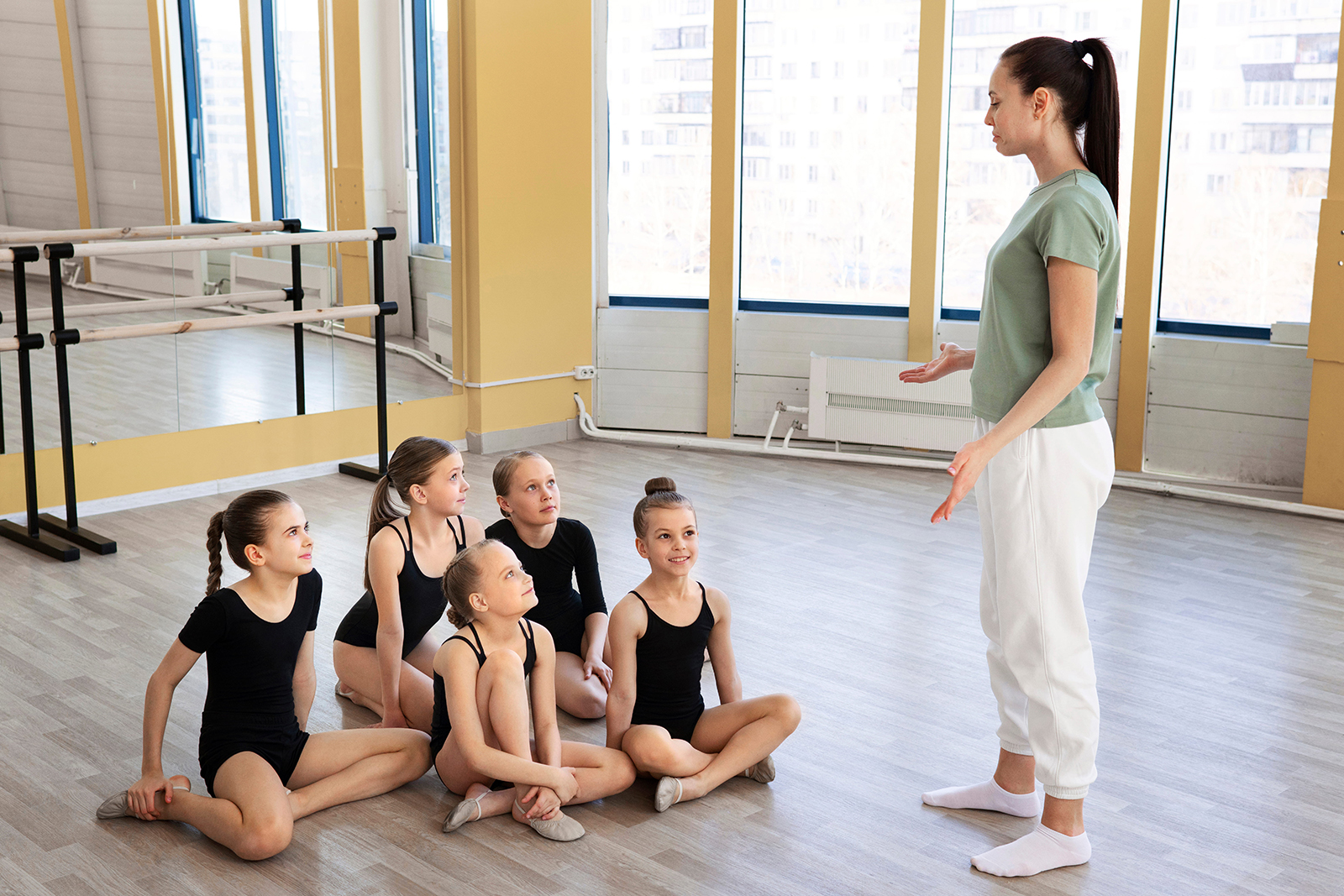
If you’re a parent in Utah County wondering whether gymnastics is the right fit for your child, you’re not alone. Many families—from cautious first-timers in Lindon to goal-driven athletes in Orem—start their search with one question: Should we try a gymnastics trial class first?
Testing the waters before committing makes sense. A short trial can offer all the reassurance you’re looking for as you wonder how your child will react, whether the coaches will understand them, and how structured the class will feel.
At All American Gymnastics, we believe families deserve that peace of mind. Here’s how trial classes, open gyms, and camps can help you confidently decide if gymnastics fits your child and your family’s rhythm.
1. Trial Before Commitment: Why Parents Consider Gymnastics Trials
Every parent wants to see their child thrive, but nobody wants to sign up for a 12-week program only to find out it’s not a fit. That’s where a gymnastics trial class comes in. It’s a low-pressure window into what structured gymnastics actually feels like for your child.
Have you ever had any of these hesitations:
- My child can’t sit still for long.
- My child is too shy or nervous.
- Will the gymnastics classes feel safe and encouraging?
Trying a class first helps ease both your mind and your child’s. You get to see the coaches in action, how the class balances fun and focus, and how safety measures (like sanitized gymnastics mats and coach-to-student ratios) support confidence from the very first cartwheel.
2. What Is a Gymnastics Trial Class (and How Is It Different)?
A gymnastics trial class gives families a true glimpse into what a regular class feels like in a shorter, lower-pressure format. It’s not a demonstration or a “practice round.” Your child actually joins a small group, learns a few basic skills, and gets a feel for the rhythm of class time. Coaches use this session to help kids settle in, start building trust, and see how each child responds to gymnastics instruction and class structure.
In contrast:
- Open gyms for kids are usually unstructured play times. Kids can explore gymnastics equipment freely, while coaches supervise for safety.
- Gymnastics camps, including gymnastics summer camps, usually run over a few days and blend skill-building with a lot of movement and fun. They give energetic kids a chance to stay active during school breaks while trying new skills in a relaxed, upbeat environment.
Each option brings something different to the table for families:
- Trial class: A low-pressure way for parents to see what regular kids’ gymnastics classes actually feel like before signing up.
- Open gym: A perfect fit for kids who love to climb, swing, and explore freely—without the structure of a formal class.
- Camp: During summer or school breaks, a short program helps kids stay active, spend time with other kids, and build confidence through movement and play.
3. Are Open Gyms and Camps Worth Trying First?
Open gyms and camps are often a helpful first experience, especially for toddlers and young children who are still figuring out new environments, routines, and social settings. They allow kids to try out equipment, connect with coaches, and slowly feel at ease in the energetic setting of a gymnastics gym.
Still, they serve a different purpose than a true gymnastics trial class. Open gyms focus on free play and movement, while trial sessions gently introduce routines like warm-ups, rotations, and cool-downs. For families who care about safety, structure, and long-term growth, a trial class provides a clearer view of what ongoing lessons will feel like.
As you watch, pay attention to how closely coaches interact with the kids, whether the gymnastics mats look secure, and how carefully the class is supervised.
Details like these provide insight into how much a gym prioritizes both safety and a welcoming environment. The CDC’s physical activity guidelines for children explain why organized movement and adult supervision are important for a child’s growth.
4. What to Look for in a Quality Gymnastics Trial Class
- Not all kids’ gymnastics classes are alike. A strong trial class blends clear structure with positive encouragement. What truly makes the difference is:
- Caring, attentive coaching with coaches who learn each child’s name, lead with patience, and offer parents clear, thoughtful feedback after class.
- They prioritize organization and pacing. Kids should move often without waiting in lines for long periods of time.
- Clean, well-maintained facilities. Verify that gymnastics mats are firm, secure, and in satisfactory condition.
- Age-appropriate progressions. Coaches should meet kids “where they are,” from wobbly toddlers to focused preteens.
If you’re unsure what else to expect, AAG Utah’s guide on preparing your child for their first gymnastics class offers a helpful checklist.
5. Red Flags vs. Green Flags for Parents
When you visit a gym, your instincts matter. Here’s a quick comparison to guide your observations:
Green Flags
- Coaches kneel to a child’s level and speak in a positive, encouraging tone
- Class rotations are clearly organized with consistent supervision
- Equipment is well maintained and appropriate for each age group
- Staff warmly greet parents and clearly explain the trial process
Red Flags
- Disconnected or distracted coaching
- Kids idle or wandering without direction
- Torn or unstable gymnastics mats
- No check-in or parent communication
If your child leaves smiling and a little tired, you’ve likely found a good fit. A wonderful gym should leave both of you feeling encouraged without feeling pressured.
6. How Trial Experiences Support Long-Term Development
A well-organized gymnastics free trial offers more than a quick introduction; it gives kids a meaningful starting point. Trial classes start building confidence and coordination, along with what coaches describe as movement literacy—understanding how to control their bodies with balance and awareness.
These abilities show up in everyday moments, like sitting more comfortably in class, paying attention longer, and facing new challenges with more self-assurance. Over time, playful movement can slowly turn into focused skill-building. At AAG, that path is called “from play to performance.”
If you’re planning ahead, this guide on the best age to start gymnastics reviews the factors of age, interest, and readiness when deciding when to start gymnastics.
7. Discover Gymnastics in a family friendly environment
Whether your goal is a fun outlet after school, a strong foundation for other sports, or a long-term athletic pathway, trying first helps you choose the right gym with confidence.
At All American Gymnastics—AAG Utah, families matter most. Every program, from our open gyms to our full-year tracks, begins with connection, safety, and a whole-child approach while also remaining focused on the families of each of our athletes.
If you’re ready to explore without pressure, you can browse our programs or register for a gymnastics trial class through our online sign-up page.
Take the next step when you and your child feel ready. One class can show you not just what gymnastics is but how it can build your child’s confidence and become part of his or her story for years to come.

